 Skip to content

Why Your Cleaning Routine May Be Backfiring
Many homeowners think cleaning is as simple as wiping surfaces, vacuuming floors, and spraying a few cleaners. However, professional cleaners agree that most traditional home cleaning methods are not only inefficient but can actually make your home dirtier, damage surfaces, and negatively impact indoor air quality. While the effort is there, the techniques often unintentionally spread dust, allergens, and bacteria instead of removing them.
This detailed guide explores why your current cleaning routine may be sabotaging your home, explains the science behind common mistakes, and shows actionable strategies to improve hygiene, protect surfaces, and maintain a healthier living environment. Using professional insights, this review helps homeowners clean smarter, prevent long-term damage, and optimize both comfort and cleanliness in their homes.
Cleaning is about more than appearances; it’s about creating a healthy, fresh, and welcoming space. By following these strategies, you can elevate your home’s cleanliness to a professional standard while preserving floors, furniture, and indoor air quality.
Why Traditional Cleaning Habits Often Fail
Even homes cleaned regularly can harbor hidden dirt, dust mites, bacteria, and allergens. Many cleaning routines focus solely on visible messes while ignoring areas that harbor contaminants. Professionals approach cleaning systematically, understanding the importance of deep cleaning, surface-specific care, and dust containment.
DIY cleaning often prioritizes speed over efficacy, leading to incomplete results. This is especially true for high-traffic areas, kitchens, and bathrooms, where residue, grime, and microbial buildup can accumulate rapidly. Over time, ineffective cleaning damages surfaces, worsens odors, and impacts indoor air quality.
The Illusion of Clean: Why Looks Can Be Deceiving
Shiny floors, streak-free counters, and pleasant scents give the impression of a clean home, but they often mask hidden problems. Residue from cleaning products can attract more dirt, while dust and allergens continue to circulate. Professionals focus on removing contaminants completely, not just covering them up.
Key insight: Real cleanliness is measured by air quality, surface hygiene, and long-term maintenance, not appearances. Homes that only look clean can still harbor bacteria, allergens, and grime in less visible areas.
Common Cleaning Mistakes That Make Things Worse

Using Too Much Cleaning Product
Many homeowners believe more product means cleaner results. In reality, overusing sprays, soaps, and disinfectants leaves a residue that attracts dirt and dulls surfaces. Floors can become sticky, counters hazy, and fabrics stiff. Chemical residues can also negatively impact indoor air quality.
Professional tip: Experts use measured amounts of pH-balanced solutions and microfiber tools that capture dirt without leaving harmful residue. Each product is chosen based on surface type, ensuring safety and effectiveness.
Spreading Dirt Instead of Removing It
Improper wiping, sweeping, or vacuuming can redistribute dirt rather than eliminate it. Using the same cloth for multiple rooms, vacuuming without HEPA filtration, and failing to rinse tools properly spreads bacteria and allergens across surfaces.
Professional tip: Professionals utilize color-coded microfiber cloths, HEPA-filter vacuums, and consistent tool changes to prevent cross-contamination and effectively remove debris.
Ignoring Air Quality During Cleaning
Many cleaning methods disturb dust and allergens, releasing them into the air. Aerosols, harsh chemicals, and dry dusting can worsen indoor air quality, causing respiratory irritation, allergy symptoms, or headaches.
Professional tip: Professionals prioritize ventilation, low-VOC or eco-friendly cleaning products, and dust-containment methods that improve indoor air quality while sanitizing surfaces.
Over-Cleaning High-Traffic Areas
Excessive scrubbing or harsh chemicals can wear down flooring finishes, fray carpet fibers, and erode grout. Over-cleaning creates more long-term maintenance problems, requiring costly repairs or replacements.
Professional tip: Clean strategically with gentle, effective methods tailored to high-traffic zones, preserving both hygiene and the longevity of materials.
Skipping a Cleaning System or Routine
Random, unsystematic cleaning leads to inconsistent results. Missed areas, time wasted, and uneven hygiene reduce the effectiveness of any cleaning effort.
Professional tip: Professionals follow structured systems—top-to-bottom, dry-to-wet cleaning sequences—that ensure every surface, corner, and high-touch area is consistently addressed.
How Professional Cleaning Enhances Your Home

Professional cleaning focuses on prevention, efficiency, and health. Instead of reacting to mess, cleaners maintain a home systematically, targeting bacteria, allergens, and dust at their sources. They use advanced tools, microfiber technology, and commercial-grade or eco-friendly products that clean more effectively than typical DIY methods.
Benefits include:
- Improved indoor air quality
- Longer-lasting surfaces and finishes
- Reduced allergens and bacteria
- Enhanced overall comfort and health
Professional routines are designed for consistency, preventing buildup and maintaining a cleaner, fresher home over time.
DIY vs Professional Cleaning: Understanding the Difference
While DIY cleaning handles basic surface-level tasks, professional cleaning addresses both visible and invisible contaminants. Professionals combine expertise, tools, and cleaning sequences to achieve a level of hygiene and comfort that is difficult to replicate at home.
Professional cleaning not only saves time but also reduces the risk of damage to floors, countertops, furniture, and fabrics. It’s an investment in long-term home maintenance and family health.
Eco-Friendly Cleaning and Health Benefits
Green-certified cleaning products are effective, non-toxic, and safe for homes with children, pets, or allergy sufferers. Unlike traditional products that may leave harmful residues or release VOCs, eco-friendly solutions remove dirt, allergens, and germs while improving indoor air quality.
Transitioning to Smarter Cleaning Habits
Better cleaning starts with awareness and small changes. Key strategies include:
- Using microfiber tools to trap dirt
- Selecting products specifically for each surface
- Following a structured cleaning sequence
- Cleaning high-touch and hidden areas regularly
- Prioritizing air quality with proper ventilation and dust management
Implementing these habits gradually ensures sustainable results and a healthier home environment.
Who Benefits Most from Professional Cleaning Services
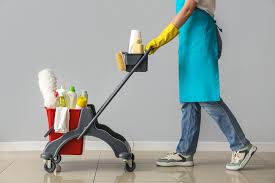
Certain households gain more from professional cleaning services, including:
- Busy families with limited time
- Homes with pets or allergy sufferers
- High-traffic commercial or residential properties
- Homeowners looking to preserve furniture, flooring, and surfaces
These households benefit from both the health and maintenance advantages of professional-level cleaning.
Final Thoughts: Achieve a Healthier, Cleaner Home
Cleaning should protect your home and improve its longevity, not damage surfaces or compromise air quality. By adopting professional cleaning methods or hiring trained experts, homeowners can enjoy deeper, longer-lasting cleanliness, healthier air, and a more comfortable living environment. Smarter cleaning leads to a home that not only looks clean but feels clean, supporting both health and happiness.Frequently Asked Questions
Does professional cleaning really make a difference?
Yes, professional cleaning improves surface hygiene, indoor air quality, and overall home comfort.
Is professional cleaning worth the cost?
Absolutely. It saves time, reduces long-term maintenance costs, and improves health.
Are professional products safer than DIY options?
Yes. Commercial-grade and eco-friendly products are specifically designed for effectiveness and safety.
How often should professional cleaning be done?
Most homes benefit from weekly or biweekly service.
Can professional cleaning help with allergies?
Yes, it significantly reduces airborne allergens and dust mites, improving air quality and comfort.
